
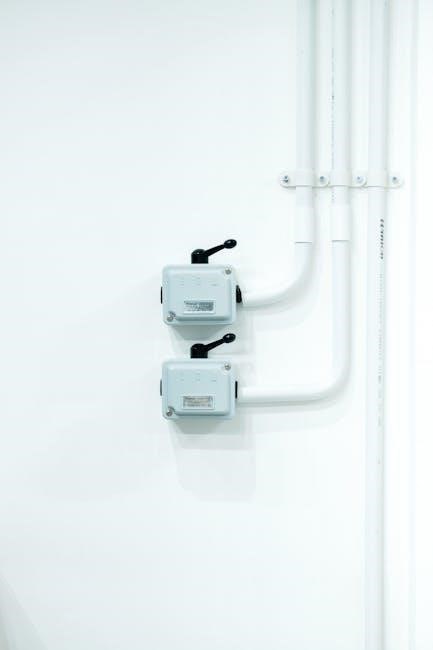
intermatic timer switch instructions
Intermatic Timer Switch Instructions: A Comprehensive Guide
Intermatic timer switches offer reliable control for lighting and appliances; this guide provides detailed instructions for installation, programming, and troubleshooting these versatile timers․
Successfully installing and operating an Intermatic switch requires understanding its features and following safety guidelines, ensuring optimal performance and longevity․
This comprehensive resource will empower you to confidently manage your electrical systems with Intermatic products, maximizing convenience and energy efficiency․
Understanding Intermatic Timer Switches
Intermatic timer switches are electromechanical devices designed to automatically control electrical circuits based on pre-set schedules․ They offer a convenient and energy-efficient way to manage lighting, appliances, and other electrical loads; These switches operate by interrupting or completing an electrical circuit at specific times, eliminating the need for manual operation․
Different models cater to various needs, from simple on/off scheduling to more complex programming options․ Key components include a control dial or digital display for setting times, a manual override function for temporary control, and internal mechanisms that govern the switching action․ The ON/OFF button provides immediate control, while the automatic mode adheres to the programmed schedule․
Understanding the red indicator light is crucial; a steady light often signifies the timer is in automatic mode, while an off light indicates manual operation or a lack of power․ Proper functionality relies on accurate time setting and correct wiring, ensuring seamless integration into your electrical system․
Types of Intermatic Timer Switches
Intermatic offers a diverse range of timer switches to suit various applications․ Mechanical timer switches, the traditional type, utilize a rotating dial with pins to define on/off cycles – ideal for simple, repetitive schedules․ Digital timer switches provide greater precision and flexibility, allowing for multiple on/off settings, day-specific programming, and countdown timers․
Heavy-duty models are designed for high-wattage loads, commonly used for outdoor lighting or industrial equipment․ Specialized timers include astronomical timers, which automatically adjust schedules based on sunrise and sunset times, and remote control timers, offering wireless operation․
Furthermore, Intermatic produces smart timers integrating with home automation systems for remote control and monitoring via smartphones․ Choosing the right type depends on the complexity of your scheduling needs, the load requirements, and desired level of control․
Safety Precautions Before Installation
Prior to installing any Intermatic timer switch, always disconnect power at the circuit breaker or fuse box to prevent electrical shock․ Verify the power is off using a non-contact voltage tester․ Incorrect wiring can cause fire hazards or damage to the timer and connected devices․
Ensure the timer switch is compatible with the voltage and wattage of the intended load․ Never exceed the timer’s specified ratings․ If you are unfamiliar with electrical wiring, consult a qualified electrician․ Use appropriately sized wire connectors and ensure all connections are secure․
Read and understand all instructions and warnings provided with the timer switch․ Wear appropriate safety glasses and insulated gloves during installation․ Keep the work area dry and free of flammable materials․ Following these precautions will ensure a safe and successful installation․
Installation Process
Proper installation is crucial for reliable operation; carefully follow wiring diagrams for single or three-way setups, connecting line and load wires securely for optimal performance․
Wiring Diagrams for Single-Switch Setup
For a standard single-switch installation, identify the Line (Hot), Neutral, and Load wires․ Connect the Line (Hot) wire – typically black – to the designated “Line” terminal on the timer switch․ The Neutral wire – usually white – connects to the “Neutral” terminal․
Crucially, the Load wire, which powers the device you’re controlling, connects to the “Load” terminal․ A grounding wire – often green or bare copper – should be connected to the grounding screw on the timer․
Wiring Diagrams for Three-Way Switch Setup
Three-way switch setups require careful wiring as they involve two switches controlling a single load․ Identify the common terminal on both existing three-way switches․ The Line (Hot) wire connects to the “Line” terminal on the timer․ One traveler wire connects to one of the traveler terminals on the timer, and the other traveler wire connects to the remaining traveler terminal․
The Load wire connects to the “Load” terminal․ The common wire from the second three-way switch connects to the appropriate terminal on the timer․ Important: Correctly identifying the traveler wires is crucial for proper operation․
Consult the wiring diagram specific to your Intermatic model, as configurations can vary․ Always disconnect power at the breaker before beginning and ensure secure connections․ Improper wiring can damage the timer or create a safety hazard․
Connecting the Line (Hot) and Load Wires
Connecting the Line (Hot) and Load wires is a critical step․ First, ensure power is OFF at the circuit breaker․ Identify the Line (Hot) wire – typically black – and the Load wire, which goes to the light or device you’re controlling․ Connect the Line wire to the terminal marked “Line” or “Hot” on the Intermatic timer․
The Load wire connects to the terminal marked “Load”․ Use wire connectors (wire nuts) to securely join the wires, ensuring no bare wire is exposed․ For single-switch setups, the neutral wire (usually white) is typically connected directly to the neutral wire of the load․
A ground wire (green or bare copper) should be connected to the grounding terminal on the timer and the electrical box for safety․ Double-check all connections before restoring power․

Programming the Timer
Programming the Intermatic timer involves setting the current time, defining desired ON and OFF schedules, and utilizing the manual override for customized control․
Precise time setting is crucial for accurate operation, while the override function provides temporary adjustments without disrupting the programmed schedule․
Setting the Current Time
To accurately set the current time on your Intermatic timer, begin by ensuring the control lever is in the ‘ON’ position․ This activates the time-setting function․ Gently turn the dial until the correct time is displayed in the timer’s window․ Pay close attention to the AM/PM indicator; if neither is centered, adjust the dial further until the appropriate indicator aligns with the time․
It’s vital to verify the AM/PM setting as an incorrect setting will cause the timer to operate on the wrong schedule․ Once the correct time is displayed, move the control lever back to the ‘AUTO’ position․ The timer will now operate based on your programmed schedule, starting from the accurately set current time․ Remember, the stored program remains even during power outages, maintaining your settings․
Double-check the time after initial setup to confirm accuracy and ensure seamless operation․ A correctly set time is the foundation for reliable automated control of your lights or appliances․
Programming ON and OFF Times
Programming ON and OFF times on your Intermatic timer involves utilizing the trip pins or digital settings, depending on your model․ For models with trip pins, add a checkmark to the boxes corresponding to the desired ON and OFF times․ Remember, consecutive OFF times allow manual override after hours, automatically reverting to the schedule․
To program, carefully consider your desired schedule․ Each pin represents a specific time slot․ Ensure pins are fully engaged for accurate timing․ For digital models, follow the manufacturer’s instructions to input the ON and OFF times directly․

Testing is crucial; after programming, move the control lever to ‘AUTO’ and observe if the timer operates as expected․ Adjust pin positions or digital settings as needed․ Proper programming ensures your lights or appliances activate and deactivate precisely when you intend․
Using the Manual Override Function
The Manual Override function allows temporary control, bypassing the programmed schedule․ This is useful for situations requiring lights or appliances to be ON or OFF outside of the set times; To activate, simply press the ON/OFF button․ The timer should ‘click’, indicating manual mode is engaged․
In Manual mode, the programmed schedule is suspended․ The light or device will remain in the state dictated by the button (ON or OFF) until you return the timer to ‘AUTO’․ Remember, the stored program remains intact during manual operation․
Returning to automatic operation is simple: move the control lever back to ‘AUTO’․ The timer will resume following the programmed schedule at the next scheduled event․ This feature provides flexibility without requiring reprogramming․

Operating the Timer
Intermatic timers function in Automatic and Manual modes, offering flexible control․ The ON/OFF button manages operation, while the control lever selects the desired mode․
Understanding these modes ensures seamless integration into your daily routine, providing convenience and energy savings․
Automatic Mode Operation
In Automatic mode, the Intermatic timer operates based on the programmed ON and OFF times, providing hands-free control of connected devices․ Ensure the control lever is positioned to “ON” for automatic functionality․ The timer will diligently follow the schedule you’ve established, turning lights or appliances on and off precisely as programmed․
The red indicator light, when lit and steady, signifies that the timer is actively running in Automatic mode․ This visual confirmation assures you that the programmed schedule is being executed․ Remember, the stored program remains even during power outages, resuming operation once power is restored․ This feature eliminates the need for reprogramming after interruptions․
To verify proper operation, observe the connected load (light or appliance) at the scheduled ON and OFF times․ If the timer isn’t functioning as expected, consult the troubleshooting section for assistance․ The automatic mode is ideal for consistent, scheduled control, enhancing convenience and energy efficiency․
Manual Mode Operation
Manual Mode allows for immediate, direct control of the connected load, overriding the programmed schedule․ To activate Manual Mode, move the control lever to the “MANUAL” position․ The timer will then respond directly to presses of the ON/OFF button, functioning like a standard light switch․
Each press of the ON/OFF button will toggle the connected device between ON and OFF states․ The timer should “click” audibly with each button press, confirming the command․ This mode is particularly useful for temporary adjustments to the schedule or when you need to operate the load independently of the programmed times․
It’s important to remember that in Manual Mode, the programmed schedule is temporarily suspended․ Returning the control lever to the “ON” position will re-enable Automatic Mode, resuming the scheduled operation․ The timer is in Manual Mode when the button is used to turn lights on/off manually․
Understanding the ON/OFF Button Function
The ON/OFF button on your Intermatic timer serves a dual purpose, varying based on the operational mode․ In Automatic Mode, the button doesn’t directly control the load; the timer operates according to its programmed schedule․ However, in Manual Mode, this button becomes your primary control for the connected device․
When pressed in Manual Mode, the button toggles the load between ON and OFF states; A distinct “click” sound from the timer confirms each command․ To test the timer’s functionality, repeatedly press the ON/OFF button, observing the connected light or appliance responding accordingly․
This button also plays a role in testing the timer during installation․ Pressing it several times verifies the timer’s responsiveness and proper wiring․ Remember, the button’s function is context-dependent, tied directly to whether the timer is in Automatic or Manual operation․

Troubleshooting Common Issues
Troubleshooting guides address issues like the timer failing to activate, AM/PM indicator malfunctions, and interpreting the red indicator light’s signals for quick resolution․
Addressing these common problems ensures your Intermatic timer functions correctly, providing reliable control over your lighting and appliance schedules․
Timer Not Turning On/Off
If your Intermatic timer isn’t switching as programmed, several factors could be at play․ First, verify the control lever is in the “Automatic” position; “Manual” overrides scheduled settings․ Ensure the current time and date are correctly set, as incorrect timing prevents proper operation․
Check the wiring connections – loose wires are a frequent cause․ Confirm the LINE (hot) and LOAD wires are securely connected according to the wiring diagram for your specific setup (single or three-way switch)․ Test the timer by pressing the ON/OFF button; it should click audibly, and the connected device should respond․
If the timer is in Manual Mode, pushing the button will directly control the light․ A faulty timer might not click, indicating an internal issue․ Also, confirm power is reaching the timer itself․ If problems persist, consult the full troubleshooting section in the user manual or contact Intermatic technical support at 815-675-7000․
AM/PM Indicator Malfunction
An incorrectly displayed AM/PM indicator on your Intermatic timer can lead to scheduling errors․ If neither AM nor PM is centered in its designated window, it signifies a synchronization issue․ To rectify this, attempt resetting the timer by briefly interrupting the power supply – turn off the circuit breaker, wait a few seconds, and restore power․
After restoring power, re-enter the current time, paying close attention to correctly setting the AM/PM designation․ If the indicator continues to malfunction, it may indicate an internal problem with the timer’s circuitry․ Ensure you are following the correct procedure for setting the time as outlined in the user manual․
A consistently incorrect AM/PM display suggests a potential defect․ If the timer is under warranty, contact Intermatic technical support for assistance or a possible replacement․ Proper AM/PM setting is crucial for accurate automated operation․
Red Indicator Light Status – Understanding the Signals
The Intermatic timer’s red indicator light provides crucial operational feedback․ A steady, lit red light signifies the timer is in Manual Mode, allowing you to override the programmed schedule by using the ON/OFF button․ Pressing the button directly controls the connected load, bypassing the automatic timing functions․
Conversely, when the red indicator light is off, the timer operates in Automatic Mode, adhering to the programmed ON and OFF times․ A flashing red light typically indicates an error or a programming conflict, requiring review of the timer’s settings․
During programming, the light may flash to confirm input․ Refer to your specific model’s manual for detailed interpretations of flashing patterns․ Understanding these signals ensures proper operation and facilitates efficient troubleshooting of your Intermatic timer․

Warranty Information and Support
Intermatic provides a warranty against defects in materials and workmanship; for details, visit their website or contact Technical Support at 815-675-7000․
Additional resources, including manuals and FAQs, are readily available online at http://www․Intermatic․com, ensuring comprehensive support․
Intermatic Warranty Details
Intermatic Incorporated extends a limited warranty on its timer switches, safeguarding against defects in both materials and workmanship․ If, within the specified warranty period – typically one year from the date of purchase – a product fails due to such a defect, Intermatic will, at its sole discretion, either repair or replace the faulty unit free of charge․
This warranty coverage applies to products used under normal operating conditions and does not encompass damage resulting from misuse, abuse, improper installation, or unauthorized modifications․ Proof of purchase, such as a dated sales receipt, is required to validate any warranty claim․
To initiate a warranty claim, customers should contact Intermatic Technical Support for guidance and authorization․ Returning the defective product may be necessary, and shipping costs may be the responsibility of the customer․ The warranty provides a remedy distinct from other potential legal rights, and Intermatic’s liability is limited to the repair or replacement of the product itself․
Contacting Intermatic Technical Support
Intermatic provides dedicated technical support to assist customers with any questions or issues regarding their timer switches․ For prompt assistance, you can reach their knowledgeable support team by phone at 815-675-7000 during regular business hours․ This direct line connects you with specialists equipped to troubleshoot installation problems, programming challenges, or warranty inquiries․
Alternatively, Intermatic offers comprehensive support resources through their official website․ Here, you’ll find a wealth of information, including frequently asked questions, detailed product manuals, and helpful troubleshooting guides․ Online support allows you to resolve common issues independently and at your convenience․
When contacting support, be prepared to provide the model number of your timer switch and a clear description of the problem you are experiencing․ This will enable the support team to efficiently diagnose the issue and offer the most effective solution․
Finding Additional Resources and Manuals Online
Intermatic offers a robust online resource center to supplement these instructions․ For detailed product information, warranty details, and downloadable manuals, visit their official website at http://www․Intermatic․ This platform provides access to a comprehensive library of resources tailored to each timer switch model․
You can easily locate the specific manual for your device by entering the model number into the search bar on the website․ These manuals contain in-depth explanations of features, wiring diagrams, programming steps, and troubleshooting tips․
Beyond manuals, Intermatic’s website features helpful videos demonstrating installation and programming procedures․ These visual aids can be particularly useful for those who prefer a step-by-step visual guide․ Explore the site for FAQs and support articles addressing common user concerns․