

ap world history textbook pdf
Navigating AP World History requires robust resources, and textbooks are foundational. Accessing materials like the AMSCO guide, often found via Internet Archive, is crucial.
Strayer’s “Ways of the World” provides a comprehensive overview, while digital access expands learning opportunities.
Selecting the right textbook is paramount for success in this challenging, college-level course.
Importance of a Good Textbook
A high-quality textbook is absolutely essential for mastering AP World History. It provides the structured framework necessary to comprehend the vast scope of global events from 1200 CE to the present. Resources like the AMSCO AP World History: Modern, available through platforms like DOKUMEN.PUB and the Internet Archive, are specifically designed to align with the AP curriculum and exam expectations.
These textbooks aren’t merely repositories of facts; they cultivate crucial historical thinking skills. They guide students in analyzing evidence, contextualizing events, and making comparisons across different societies and time periods. Strayer’s “Ways of the World” emphasizes source analysis, fostering a deeper understanding of historical narratives.
Furthermore, a good textbook supports independent study and exam preparation. It offers clear explanations of complex concepts, practice questions, and review materials. Access to digital resources, often accompanying these texts, enhances learning with interactive maps, timelines, and primary source documents. Ultimately, a well-chosen textbook empowers students to succeed on the AP World History exam and beyond.
AP World History: Modern vs. AP World History
The AP World History course underwent a significant revision, resulting in “AP World History: Modern.” Previously, the course covered a broader historical timeline, beginning with the origins of civilization. The modern iteration, however, focuses specifically on the period from approximately 1200 CE to the present day.
This shift necessitates textbooks tailored to this condensed timeframe. “Ways of the World,” in its fifth edition (9781319409302), is specifically designed for the “Modern” course, offering focused coverage of the relevant period. Conversely, older textbooks may encompass material beyond the scope of the current exam.
The AMSCO AP World History: Modern (9781531129163, 9781531129187) is entirely geared towards the revised curriculum, providing exam-focused content. Accessing resources like free downloads from the Internet Archive ensures students utilize materials aligned with the current College Board standards. Understanding this distinction is vital for effective study and exam preparation.
As of April 28, 2026, the selection of appropriate AP World History textbooks remains critical for student success. The availability of updated editions and digital resources continues to evolve, impacting access to current scholarship and exam-relevant content.
Resources like DOKUMEN.PUB and the Internet Archive offer access to materials such as the AMSCO AP World History: Modern textbook, providing cost-effective alternatives to purchasing new copies. However, verifying the edition’s alignment with the latest College Board standards is essential.
Furthermore, LibGuides at institutions like J. Sterling Morton High School provide valuable vocabulary lists and foundational historical concepts. Staying current with these resources ensures students are prepared for the AP World History exam, utilizing the most relevant and accessible materials available as of today’s date.
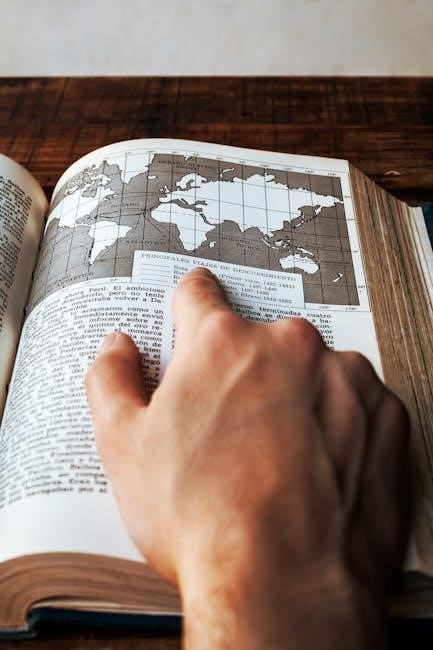
Popular Textbook Choices
“Ways of the World” and AMSCO’s “AP World History: Modern” are leading options. Digital access via platforms like the Internet Archive supplements traditional textbook use.
Ways of the World: A Global History (Strayer & Nelson)
Robert Strayer and Eric Nelson’s “Ways of the World: A Global History” is a widely adopted textbook for AP World History: Modern. The fifth edition (9781319409302) is specifically tailored for the course, offering a comprehensive narrative from 1200 C.E. to the present.
A key strength lies in its emphasis on primary source analysis. The textbook integrates numerous excerpts, encouraging students to engage directly with historical evidence and develop critical thinking skills. This approach aligns with the AP exam’s focus on document-based questions (DBQs) and long essay questions (LEQs).
Macmillan Learning provides resources to unlock previews and download materials, facilitating access for students and educators. The syllabus sample highlights its use as a required text in many AP World History courses. It’s designed to prepare students for the rigor of introductory college-level history coursework, fostering a deep understanding of global interconnectedness and historical change.
The textbook’s structure and content are carefully crafted to cover the key themes and periods outlined in the AP World History curriculum, making it a valuable tool for both classroom learning and independent study.
Editions and Updates (Fifth Edition, 9781319409302)
The Fifth Edition of “Ways of the World: A Global History” (9781319409302) represents a significant update to the textbook, aligning it closely with the current AP World History: Modern curriculum. This edition builds upon previous versions, refining its coverage of key historical periods and themes to meet the evolving demands of the course.
Updates include revised content reflecting recent scholarship and a strengthened emphasis on global interactions. Macmillan Learning offers access to resources, allowing instructors and students to preview and download materials. This ensures learners have the most current information available.
The textbook’s structure is designed for optimal learning, with clear chapter organization and engaging visuals. It’s a popular choice for AP World History courses, as evidenced by its frequent mention in syllabus examples. Accessing the latest edition is crucial for students preparing for the AP exam, as it reflects the content and skills assessed on the test.
The ISBN 9781319409302 specifically identifies this updated edition, ensuring students obtain the correct and most relevant textbook for their studies.
Focus on Sources and Analysis
“Ways of the World” distinguishes itself through a deliberate emphasis on primary source analysis, a cornerstone of the AP World History: Modern curriculum. The textbook doesn’t merely present historical narratives; it equips students with the skills to critically evaluate evidence and construct their own interpretations.
Each chapter incorporates a variety of primary sources – excerpts from historical documents, images, and artifacts – prompting students to engage directly with the past. Accompanying analytical questions guide learners through the process of source evaluation, considering authorship, context, and purpose.
This approach fosters historical thinking skills, such as contextualization and comparison, essential for success on the AP exam. By working with sources, students move beyond rote memorization and develop a deeper understanding of historical complexities. The textbook’s commitment to source analysis prepares students for the document-based questions (DBQs) and long essay questions (LEQs) on the AP exam.
This focus aligns with the course’s goal of cultivating informed and analytical historical thinkers.
AMSCO AP World History: Modern
AMSCO’s AP World History: Modern is a widely utilized resource specifically designed to mirror the College Board’s curriculum. Available with ISBNs 9781531129163 and 9781531129187, it’s a popular choice for students aiming for a strong performance on the AP exam. The textbook’s structure directly correlates with the course content, providing a streamlined and focused study experience.
Notably, access to AMSCO’s content can be found through platforms like DOKUMEN.PUB and the Internet Archive, offering convenient digital options. This accessibility is a significant benefit for students seeking affordable or readily available study materials. The textbook is explicitly stated to be created to help students learn world history at the level assessed on the AP World History: Modern exam.
AMSCO’s approach prioritizes exam preparation, offering targeted review and practice questions. It’s a valuable tool for reinforcing key concepts and developing test-taking strategies. Students often supplement other resources with AMSCO for its focused exam-centric content.
Exam-Focused Content (9781531129163, 9781531129187)
The AMSCO AP World History: Modern textbook (ISBNs 9781531129163 & 9781531129187) distinguishes itself through its deliberate alignment with the AP exam’s demands. It isn’t merely a recounting of historical events, but a strategic guide to mastering the specific skills and knowledge assessed by the College Board. This focus is evident in its organization, practice questions, and emphasis on key concepts.
The content is meticulously crafted to address the course’s learning objectives, ensuring students are well-prepared for each section of the exam. It provides a clear pathway for understanding the historical themes and analytical skills required for success. The textbook’s introduction explicitly states its purpose: to help students learn world history at the level assessed on the AP exam.
This targeted approach makes AMSCO an invaluable resource for students seeking to maximize their exam performance. It’s a tool designed not just to teach history, but to equip students with the tools to demonstrate their historical understanding effectively.
Availability and Access (DOKUMEN.PUB, Internet Archive)

Securing access to the AMSCO AP World History: Modern textbook can be achieved through various avenues, including digital platforms. DOKUMEN.PUB provides a readily accessible online resource for the textbook, offering a convenient alternative to purchasing a physical copy. Similarly, the Internet Archive hosts a digital version of AMSCO, facilitating free download, borrowing, and streaming.
These platforms broaden accessibility, particularly for students facing financial constraints or logistical challenges in obtaining a traditional textbook. The Internet Archive entry, identified by the identifier ‘amsco-ap-world-history_202408’ and ark ‘ark:/13960/s28419hszg3’, indicates its availability as an EPUB file, compatible with various e-readers.
However, users should exercise caution and verify the legitimacy of sources when downloading PDFs online. Utilizing reputable platforms like the Internet Archive and DOKUMEN.PUB minimizes the risk of encountering compromised files. These resources democratize access to essential study materials, supporting student success in AP World History.

Textbook Features & Content
AP World History textbooks emphasize key themes and historical thinking skills. AMSCO focuses on exam preparation, while “Ways of the World” prioritizes source analysis and contextualization.
Both aid in understanding global interactions.
Coverage of Key Themes
AP World History textbooks consistently address several overarching themes crucial for comprehensive understanding. A significant focus lies on interactions between humans and the environment, exploring how geographical factors have shaped civilizations and how societies have, in turn, impacted their surroundings. Textbooks like “Ways of the World” delve into these dynamics, examining topics such as agricultural revolutions, disease outbreaks, and the consequences of resource utilization.
Furthermore, the development and transformation of social structures receive substantial attention. This includes analyzing the evolution of class systems, gender roles, family structures, and political organizations across different historical periods and regions. The AMSCO textbook, geared towards exam success, specifically highlights these societal shifts as they relate to key historical events and processes.
These texts also explore themes of cultural development, economic systems, and the impact of technology. Understanding these interconnected themes is vital for achieving a holistic grasp of world history and performing well on the AP exam.
Interactions Between Humans and the Environment
AP World History textbooks emphasize the profound and reciprocal relationship between humanity and the natural world. “Ways of the World” meticulously details how environmental factors – climate, geography, and available resources – have fundamentally shaped the development of civilizations. From the fertile crescent’s agricultural advantages to the challenges posed by arid landscapes, these influences are consistently explored.
Conversely, textbooks illustrate how human actions have dramatically altered the environment. The Columbian Exchange, for example, demonstrates the widespread transfer of plants, animals, and diseases, with lasting ecological consequences. Industrialization’s impact on pollution and resource depletion is another key area of focus.
The AMSCO textbook, designed for exam preparation, frames these interactions within the context of historical causation and change. Students learn to analyze how environmental pressures have driven migration, innovation, and conflict throughout world history, understanding the long-term implications of these dynamics.
Development and Transformation of Social Structures
AP World History textbooks meticulously trace the evolution of social hierarchies and organizations across different eras and regions. “Ways of the World” provides detailed analyses of systems like feudalism, caste systems, and patriarchal structures, examining their origins, functions, and impacts on daily life. The textbooks highlight how these structures influenced power dynamics, economic opportunities, and cultural norms.
Furthermore, the texts explore the forces that have driven social change – revolutions, migrations, and technological innovations. The rise of cities, the emergence of new classes, and the challenges to traditional authority are all central themes. The Columbian Exchange, for instance, dramatically reshaped social structures in both the Americas and Europe.
AMSCO’s AP-focused approach emphasizes identifying patterns of social transformation and understanding their connections to broader historical processes. Students learn to analyze how social structures have both constrained and enabled human agency, shaping the course of history.
Historical Thinking Skills
AP World History textbooks aren’t simply repositories of facts; they’re designed to cultivate critical thinking skills essential for historical analysis. Both “Ways of the World” and AMSCO emphasize skills like analyzing evidence, contextualization, and comparison. Students are prompted to evaluate sources, discern bias, and construct well-supported arguments.
Textbooks guide students through the process of interpreting primary and secondary sources, fostering the ability to draw inferences and formulate historical interpretations. Contextualization is stressed – understanding events within their specific time and place, considering the broader historical context. Comparison encourages students to identify similarities and differences across cultures and time periods.
The AP Course and Exam Description (CED) underscores these skills, and textbooks align their content to support them. Mastering these skills isn’t just about succeeding on the AP exam; it’s about developing a nuanced understanding of the past and its relevance to the present.
Analyzing Evidence

A core skill in AP World History is the ability to analyze historical evidence effectively. Textbooks like Strayer’s “Ways of the World” and AMSCO actively promote this through source analysis exercises and document-based questions. Students learn to evaluate the credibility, point of view, purpose, and historical context of various sources – primary and secondary.
This involves identifying bias, understanding the author’s intent, and assessing the reliability of information. Textbooks often present excerpts from historical documents, requiring students to interpret them critically. The goal is to move beyond simply accepting information at face value and instead, to question, interpret, and synthesize evidence to form informed conclusions.
The AP World History exam heavily emphasizes this skill, and textbooks are structured to prepare students for it. Developing strong evidence analysis skills is crucial for success, enabling students to construct well-supported arguments and demonstrate a deep understanding of historical events.
Contextualization and Comparison
AP World History demands students understand events within their broader historical context. Textbooks, such as “Ways of the World” and AMSCO, facilitate this by presenting events alongside their social, political, and economic backgrounds. Contextualization involves recognizing the specific circumstances that shaped an event, including the prevailing ideas, beliefs, and power structures of the time.
Equally important is the ability to compare and contrast different historical developments across time and place. Textbooks often highlight similarities and differences between civilizations, empires, and movements, encouraging students to identify patterns and make connections. This comparative approach fosters a more nuanced understanding of global history.
The AP exam frequently requires students to contextualize and compare, and textbooks provide the necessary framework for developing these skills. Mastering these techniques allows students to move beyond rote memorization and engage with history in a more analytical and insightful way.
Accessing AP World History Textbooks
Textbooks are available through purchase, digital resources, and libraries. Options include Macmillan Learning, Internet Archive, and DOKUMEN.PUB for PDF access.
J. Sterling Morton High School LibGuides also offer resources.
Purchasing Options
Securing a physical copy of your AP World History textbook involves several purchasing avenues. Major booksellers like Amazon and Barnes & Noble consistently stock current editions, such as the fifth edition of “Ways of the World” (9781319409302) by Strayer and Nelson.
Directly from the publisher, Macmillan Learning, offers options to buy the textbook, often with accompanying digital resources. The AMSCO AP World History: Modern textbook (9781531129163, 9781531129187) is widely available through these retailers as well.
Consider used textbook marketplaces for cost-effective alternatives, but verify the edition’s alignment with your course requirements. Rental options are also frequently available, providing temporary access at a reduced price.
Be mindful of potential shipping costs and delivery times when ordering online. Checking for student discounts or bundled packages can further reduce expenses. Always compare prices across different vendors to ensure you’re getting the best deal for your chosen textbook.
Digital Resources & Online Access
Beyond physical copies, numerous digital resources enhance the AP World History learning experience. Macmillan Learning provides access to “Ways of the World” resources, requiring sign-in for previews and downloads.
The Internet Archive hosts the AMSCO AP World History textbook for free download, borrow, and streaming, offering a valuable alternative. DOKUMEN.PUB also provides access to the AMSCO textbook in PDF format.
Many textbook publishers offer companion websites with practice quizzes, interactive maps, and primary source documents. These online platforms often integrate with learning management systems used by schools.
LibGuides at J. Sterling Morton High School provides links to essential history vocabulary and resources. Explore online databases and digital libraries for supplementary materials.
Ensure any downloaded PDFs are from reputable sources to avoid security risks. Utilizing these digital tools alongside your textbook can significantly improve comprehension and exam preparation.
Library Availability (J. Sterling Morton High School LibGuides)
J. Sterling Morton High School LibGuides serves as a valuable starting point for accessing AP World History resources. Their online portal, specifically Topic 0.0 ⎯ Essentials of History, details essential vocabulary crucial for the course;
While direct PDF availability of textbooks isn’t explicitly stated, LibGuides directs students to foundational historical concepts. This suggests the library supports research and understanding of the course material.
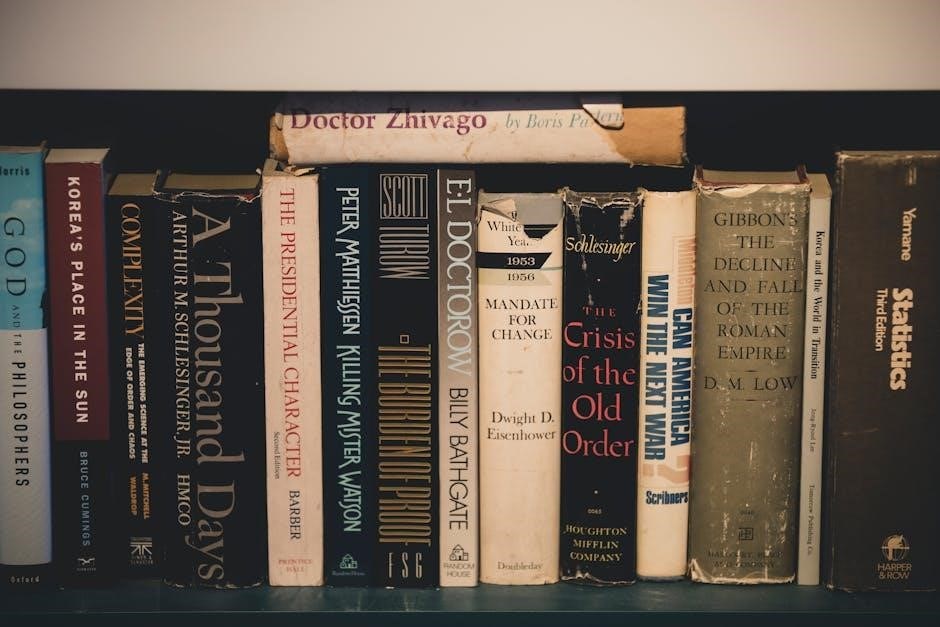
Students can explore the library’s catalog for physical copies of “Ways of the World” by Strayer and Nelson, or the AMSCO AP World History: Modern textbook.
Librarians can assist in locating relevant books, articles, and databases to supplement textbook learning. Interlibrary loan options may be available for materials not held within the school’s collection.
Remember to check the LibGuides website for updated links and resources. Utilizing the school library provides a cost-effective and reliable way to access essential AP World History materials.
Understanding the AP World History Exam
The AP World History: Modern Course and Exam Description (CED) is vital. Textbooks like AMSCO are designed to align with exam content, aiding preparation and success.
Course and Exam Description (CED)
The AP World History: Modern Course and Exam Description (CED) serves as the definitive guide for both students and educators. Released by the College Board, this document meticulously outlines the course’s scope, learning objectives, and the structure of the AP Exam. It’s freely accessible on the College Board website and is an indispensable resource for understanding the expectations of the course.
The CED details the historical thinking skills assessed on the exam – analyzing evidence, contextualization, comparison, and argumentation – and how these skills are integrated into the course content. It also provides a “Big Picture” view of world regions, identifying key themes and connections across different periods and geographical areas. Understanding these regional frameworks is crucial for effective study.
Furthermore, the CED includes a comprehensive list of essential historical vocabulary. Resources like LibGuides at J. Sterling Morton High School highlight the importance of mastering this terminology. Utilizing textbooks like Strayer’s “Ways of the World” and AMSCO, alongside the CED, ensures students are well-prepared to tackle the exam’s challenges and demonstrate a deep understanding of global history.
World Regions and Big Picture View
AP World History organizes global history around distinct regions, fostering a nuanced understanding of interconnectedness. The College Board’s Course and Exam Description (CED) identifies five key regions: Africa, the Americas, Asia, Europe, and Oceania. Studying these regions isn’t about isolation, but rather understanding their unique trajectories and interactions.
Textbooks like Strayer’s “Ways of the World” and AMSCO’s “AP World History: Modern” present historical narratives through these regional lenses, emphasizing patterns of continuity and change. Accessing resources like those available on DOKUMEN.PUB and the Internet Archive provides diverse perspectives on these regions.
The “Big Picture” view encourages students to synthesize information, identifying overarching themes like trade, migration, and state-building across different regions and time periods. Mastering this holistic approach, supported by careful textbook study and the CED, is vital for success on the AP exam. It allows for comparative analysis and a deeper appreciation of global historical processes.
Essential History Vocabulary
A strong grasp of historical terminology is crucial for success in AP World History. Textbooks, such as AMSCO’s “AP World History: Modern” – accessible through platforms like DOKUMEN.PUB and the Internet Archive – systematically introduce key concepts. Understanding terms like “state,” “empire,” “revolution,” and “globalization” is fundamental.
Resources from J. Sterling Morton High School LibGuides highlight the importance of “Essentials of History Vocabulary,” providing a starting point for building a robust lexicon. Strayer’s “Ways of the World” also integrates vocabulary within its contextual narratives, aiding comprehension.
Beyond definitions, students must understand how these terms function as analytical tools; The AP World History CED emphasizes precise language in essay writing and argumentation. Mastering this vocabulary, often found within textbook glossaries and online study guides, enables students to articulate complex historical ideas effectively and demonstrate a sophisticated understanding of the course material.