
handel’s messiah pdf
Overview of Handel’s Messiah and Its PDF Availability
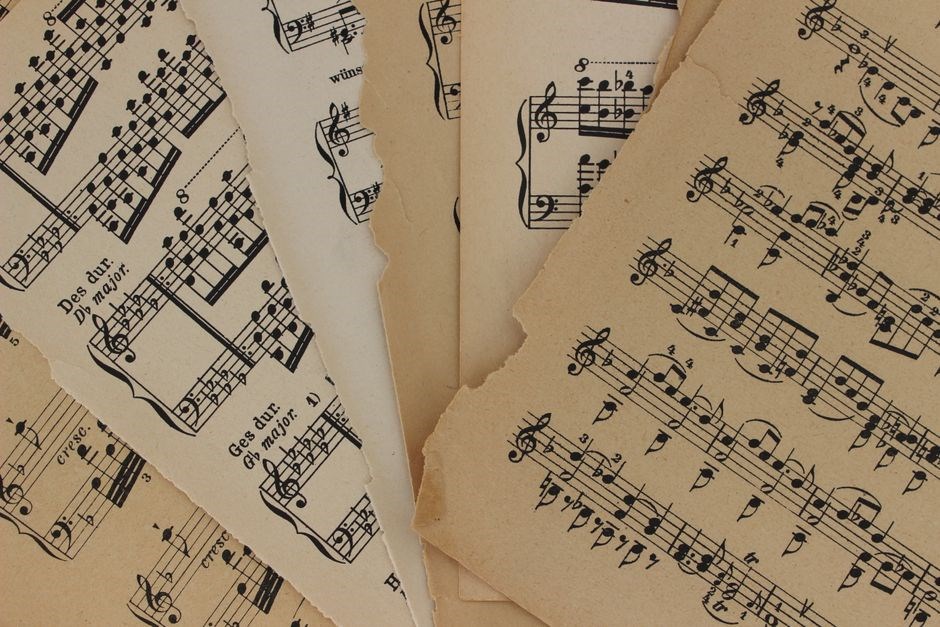
Handel’s Messiah (HWV 56) is freely available as PDF on MuseScore, where users can download or print arrangements for piano, guitar, flute, and mixed ensembles. The site hosts the full vocal score, instrumental parts, and a keyboard reduction, all in PDF format. Also, it offers a key signature chart.!
Key Features of the PDF Versions
Comprehensive Score Sets: MuseScore hosts the full vocal score, individual parts, and an orchestral reduction, all in PDF. 2. Instrumental Flexibility: PDFs include piano, guitar, flute, and ensemble arrangements, letting performers choose instrumentation. 3. High‑Resolution Layouts: PDFs are formatted for clear readability with proper page breaks, numbers, and consistent headers. 4. Open‑Source Licensing: Files are public‑domain, enabling free printing, sharing, and adaptation. 5. Download Convenience: Users can download PDFs directly from MuseScore or export them in PDF, PNG, or MIDI. 6. Version Control: The platform tracks edits, allowing users to view earlier versions or revert changes. 7. Community Contributions: PDFs are annotated with performance notes, tempo markings, and rehearsal cues. 8. Accessibility Features: PDFs support screen‑reader tagging and include proper musical symbols. 9. Cross‑Platform Compatibility: PDFs open on Windows, macOS, Linux, and mobile devices. 10. Integration with Sheet‑Music Platforms: Files import into Sibelius, Finale, or LilyPond for further editing.
These freely available PDFs empower musicians, educators, and scholars, providing a freeglobal resource that supports rehearsal, study, and performance while preserving the integrity of Handel’s masterwork for generations today !.
Historical Context of Handel’s Messiah
Handel’s Messiah premiered in 1741 London, commissioned by the Society of the New Light. The oratorio reflects Baroque grandeur, drawing on biblical texts. Its debut faced skepticism, yet it quickly gained acclaim, shaping sacred music history. It endures !!
Commissioning and First Performance Details
In 1741 the Society of the New Light commissioned Handel’s Messiah (HWV 56) to raise funds for the Foundling Hospital. The first public performance took place on 13 April 1742 at the hospital’s chapel, with Handel conducting and singing the tenor solo. A modest ensemble of 12 instrumentalists and a choir of 20 singers—many volunteers—performed the full five‑part structure in a single sitting that lasted about 90 minutes. Contemporary newspapers praised the work for its emotional depth and musical brilliance, noting that the audience of around 200 people responded enthusiastically. The premiere was followed by additional performances throughout 1742, each attracting larger crowds and solidifying Messiah’s reputation as a Baroque masterpiece. Handel revised the score after the initial performances, adding new movements and refining orchestration for future productions. Modern PDF scores available on MuseScore reflect these early arrangements, offering musicians a faithful representation of the premiere version. Today, free PDF scores on MuseScore let musicians worldwide study and perform Handel’s Messiah, ensuring its relevance for future generations. Audiences alike, keeping the work alive in performances.
Composer and Librettist Contributions
Handel composed the music, while Charles Jennens provided the libretto, drawing from biblical passages. Their collaboration produced a unified work that balances narrative with musical. PDFs on MuseScore preserve texts for study and performance.!!
Charles Jennens’ Textual Sources
Charles Jennens, a prominent 18th‑century lawyer and patron of the arts, undertook the monumental task of compiling the libretto for Handel’s Messiah. Drawing exclusively from the King James Bible, Jennens sifted through the prophetic books of Isaiah, Jeremiah, and Daniel, the Psalms, and the New Testament Gospels of Matthew, Mark, Luke, and John. He sought verses that articulated the themes of divine promise, human suffering, and ultimate redemption, ensuring that each line would fit Handel’s musical phrasing. Jennens’ editorial choices reflect a deep theological understanding, aligning the text with Handel’s motifs. He subtly alludes to Revelation, adding apocalyptic depth. His careful selection of language preserved the poetic rhythm of the original text while enhancing theological depth. The libretto, preserved in manuscript form, has been digitized and is available in PDF format on platforms such as MuseScore, where performers and scholars can examine the original wording alongside the musical score. This accessibility has allowed modern audiences to appreciate the textual foundation that underpins the oratorio’s enduring impact, and it continues to inspire new interpretations and performances worldwide.
Jennens cites key verses—Isaiah 9:6, Psalm 2, and John 1:1—inscribed as “Text taken from the Scriptures by Charles Jennens (1700‑1773)”. The PDF edition preserves these notes, enabling direct biblical reference during rehearsal.
Jennens’ meticulous scholarship is evident in the precision of his textual edits, which maintain the original meter while allowing Handel to craft expressive harmonies. The PDF edition includes marginal notes that reference the original biblical verses, enabling performers to cross‑check the source material. This level of detail has made the Messiah’s libretto a benchmark for 18th‑century biblical adaptation, and its digital availability ensures that educators can incorporate the text into curricula worldwide. Its PDF format supports for annotations
Musical Structure and Movements
Messiah unfolds in five parts, each containing choruses, arias, and recitatives. The opening “Hallelujah” chorus sets a jubilant tone, followed by prophetic, lamenting, and triumphant sections, culminating in the final “Amen” chorus. A timeless masterpiece.
Instrumentation and Vocal Parts
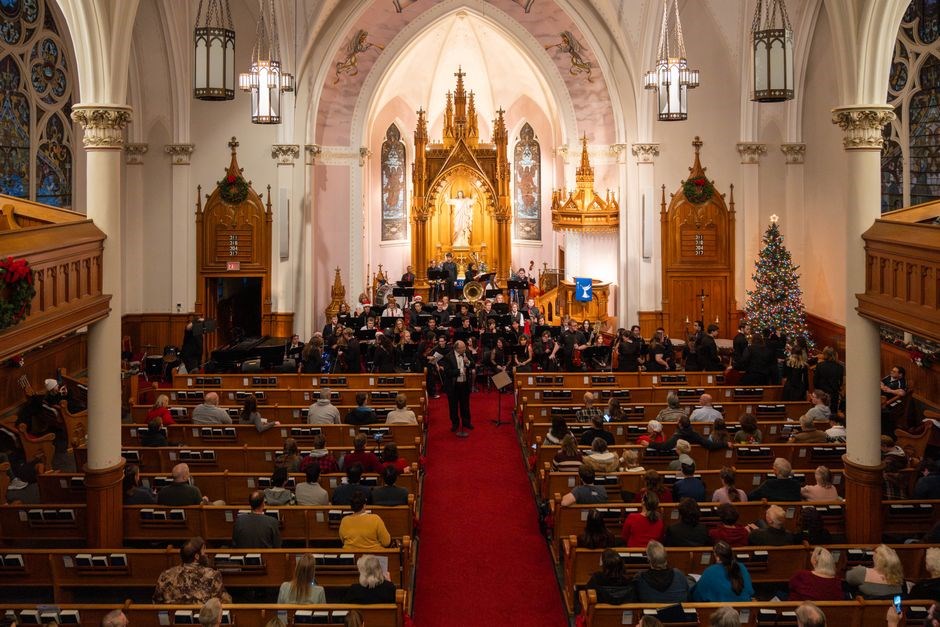
Messiah’s score calls for a Baroque orchestra: strings, 2 oboes, 2 bassoons, 2 horns, timpani, and a basso continuo. Vocal forces include a mixed choir SATB and soloists—soprano, alto, tenor, bass—each part detailed in the PDF. PDF includes full scores, rehearsal marks, tempo cues for each movement.
Standard Ensemble Configuration for PDF Scores
The PDF files also provide a detailed key signature chart and tempo indications for each movement, allowing performers to prepare accurately. In addition, many PDFs include a rehearsal number system that aligns with the printed score, facilitating coordination between conductor and musicians. The standard PDF layout is designed to be printer-friendly, with margins and spacing optimized for both digital and physical use. Additional:More
PDF Distribution Platforms and Formats
Handel’s Messiah PDFs are widely shared on MuseScore, where users can download full vocal scores, instrumental parts, and keyboard reductions. The site also hosts free PDF arrangements for piano, guitar, flute, and mixed ensembles, all printable and royalty‑free. Download now! For free
Popular Sites Offering Free Download
Handel’s Messiah is freely downloadable in PDF from several well‑known platforms. The leading site is MuseScore, where the complete vocal score, all instrumental parts, and a keyboard reduction can be downloaded or printed instantly, and the platform hosts numerous user‑generated arrangements for piano, guitar, and flute. The International Music Score Library Project (IMSLP) hosts the original score and many editorial editions in PDF format, complete with footnotes and historical commentary. Sheet Music Direct offers a selection of Messiah PDFs for purchase, but many editions are free for educational use. The French publisher Nicolas Sceaux Editions provides a modern LilyPond‑typeset keyboard reduction that can be downloaded as a PDF after a brief registration. All these sites make the score available without cost or licensing restrictions, allowing performers, students, and enthusiasts worldwide to access Handel’s masterpiece.
- MuseScore – Offers the full vocal score, all parts, and a keyboard reduction. Users can download or print PDFs instantly, and the platform hosts piano, guitar, and flute arrangements.
- IMSLP – Hosts the original score and editorial editions in PDF, with footnotes and commentary. It’s a free, searchable archive for scholars and performers.
- Sheet Music Direct – Offers Messiah PDFs for purchase, but many editions are free for educational use. The site provides high‑quality PDFs that can be downloaded after registration.
- Nicolas Sceaux Editions – Publishes a modern keyboard reduction that can be downloaded as a PDF after registration. The edition is praised for clarity and fidelity to the original score.
- Other Community Sites – Fan sites and forums host PDF scans of older editions and user‑created arrangements. These resources are free but may lack editorial notes.
These platforms ensure that Handel’s Messiah remains accessible to musicians worldwide, performance, study, and appreciation of this timeless masterpiece. Enjoy exploring! And
Copyright, Licensing, and Usage Rights
Messiah is public domain; PDFs are free to download, share, and perform. No copyright on the score, but modern editions may carry editorial marks. Users may adapt, remix, or distribute without permission, provided they credit the source ©2026!!!
Public Domain Status and Modern Adaptations
Handel’s Messiah, composed in 1741, entered the public domain long before the 20th century, allowing unrestricted use of its original score. Contemporary publishers often release new editions with updated editorial notes, but these do not alter the underlying public‑domain status. Musicians and arrangers routinely create modern adaptations—ranging from stripped‑down piano‑vocal versions to full‑orchestra recordings—without needing licensing fees. Digital platforms such as MuseScore host user‑generated PDF scores that reflect both the original notation and creative reinterpretations. Because the work itself is free, performers may legally record, distribute, or broadcast their renditions worldwide. However, when incorporating modern arrangements or adding new material, the derivative work may be subject to copyright, requiring permission from the arranger. In practice, most online communities share Messiah PDFs under Creative Commons licenses that permit modification and commercial use, provided attribution is given. This openness has fostered a vibrant ecosystem of educational resources, performance recordings, and scholarly analyses, all accessible to anyone with an internet connection. While the score remains free, many publishers sell deluxe printed editions with high‑resolution scans and editorial commentary under standard copyright terms. Musicians license these for educational use, preserving the public domain text while protecting added material. These resources let performers explore Handel’s work.